Menu


When a loved one needs nursing home care right away, the clock is ticking. Costs can reach thousands per month, savings drain fast, and eligibility rules feel confusing. An experienced elder law attorney can help you act quickly, protect as many assets as the law allows, and pursue Medicaid the right way.
Crisis Medicaid planning means taking urgent steps to help an adult qualify for long term care Medicaid soon, often within weeks or months, not years. The goal is to fund necessary care while following the rules and to preserve assets for the healthy spouse or family when possible.
Medicaid is a joint federal and state program that can pay for nursing home or in some cases in‑home or assisted living services for those who meet financial and medical criteria. The rules include income limits, countable and exempt assets, and a five‑year look‑back period that reviews past transfers. A mistake can cause delays or penalties. Skilled legal guidance can help you avoid costly errors and keep the plan on track.
An elder law attorney focuses on legal tools that align care needs, finances, and Medicaid rules. In a crisis, the attorney’s first job is triage, then a lawful, step‑by‑step plan.
Your attorney will gather key facts in the first conversation. This includes current care needs, monthly cost of care, income sources, assets and debts, recent gifts, and family decision makers. With this snapshot, the attorney can estimate timelines, spot risks, and map out the fastest lawful path to eligibility.
If one spouse needs nursing home care and the other does not, special protections may apply. Strategies can include spousal resource allowances, income allocation for the at‑home spouse, and structured asset moves permitted by law. The objective is to keep the well spouse financially stable while the ill spouse qualifies for Medicaid as soon as possible.
Attorneys select and implement tools that fit the situation. Depending on the facts, your plan might include:
These actions must be tailored to your family’s facts. A one‑size template is risky and can backfire.
Incomplete or inconsistent Medicaid applications are a top cause of delay. Your attorney will help you assemble five years of asset information where required, explain large transactions, and prepare clear documentation for the caseworker. This reduces back‑and‑forth, shortens processing time, and lowers the risk of denials.
Families often try to help quickly, but some well‑meaning steps can hurt eligibility.
Giving assets to children can trigger a penalty period. Closing accounts or moving funds without records can create verification gaps. Paying relatives for care without a written agreement may be treated as gifting. Before you transfer or spend down, talk with an elder law attorney who can align actions with the rules.
Medicaid rules are state specific, and local agency practices vary. An elder law attorney who regularly handles crisis cases understands how local caseworkers review files, which documents move faster, and how to avoid common roadblocks. This practical insight can save weeks.
If nursing home placement is urgent, you need to start gathering documents now. Recent bank statements, retirement and life insurance details, Social Security and pension information, deeds and vehicle titles, and any past gift records are helpful. If you have powers of attorney, bring them. If you do not, we can help you create them quickly so decisions can be made without court delays.
You do not have to navigate this alone. Download our guide to long term care, then contact our elder law team to review your options and map a fast, lawful plan. Call our office to schedule a consultation, or click this link to request an appointment. We are here to help your family make confident decisions.
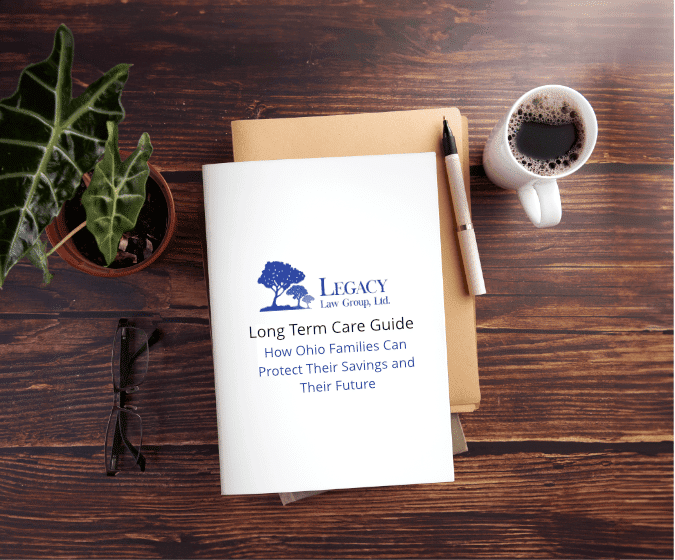
Protect Your Savings, Your Home, and Your Future
Take the first step toward protecting your family’s
future and get our free guide today.

© 2026 Legacy Law Group, Ltd.
| View Our Disclaimer | Privacy Policy

 Share
Share