Menu



Long-term care costs can overwhelm even careful savers. Many veterans and spouses do not realize that Veterans Aid and Attendance benefits for long-term care may help cover these expenses. This VA benefit can provide monthly income to offset in-home care, assisted living, or nursing home costs. In this article, we explain who qualifies, how the benefit works, and common mistakes to avoid, so you can make informed decisions with confidence.
Aid and Attendance is a needs-based benefit offered through the Department of Veterans Affairs. It is paid in addition to a basic VA pension. The purpose is to help veterans and their spouses who need help with daily activities or who have significant medical needs.
These funds are paid monthly and can be used toward care costs. This includes help at home, assisted living, memory care, or skilled nursing care. The benefit is not limited to VA facilities.
Eligibility depends on service history, health needs, and finances. Many families assume they do not qualify and never apply. That assumption often costs them thousands of dollars each year.
The veteran must have served at least 90 days of active duty, with at least one day during a wartime period. Combat service is not required. An honorable or general discharge is usually necessary.
The applicant must need help with some activities of daily living. These include bathing, dressing, eating, toileting, or managing medications. A diagnosis of dementia or vision impairment may also qualify. In some cases, being housebound can meet the requirement.
Aid and Attendance is needs-based, but the rules are more flexible than many people expect. The VA looks at income and countable assets. Certain assets, such as a primary residence and personal belongings, are typically excluded.
The benefit amount depends on marital status and whether the applicant is a veteran or a veteran’s spouse. The VA sets maximum monthly pension rates that can change annually.
The benefit can provide several thousand dollars per month. While it rarely covers all care costs, it can significantly reduce the out-of-pocket burden. For families in Northwest Ohio and Southeast Michigan, this support can make staying at home or choosing a better care setting more realistic.
Applying for Aid and Attendance can be frustrating. Errors and omissions often lead to delays or denials.
One common mistake is applying without understanding the financial rules. Transfers made without proper planning can trigger penalties. Another issue is incomplete medical documentation. The VA needs clear evidence of care needs.
Families also miss opportunities by failing to coordinate VA benefits with Medicaid planning. Our Medicaid planning services help align these benefits so one does not unintentionally block the other.
The process begins with gathering service records, medical evidence, and financial information. Timing matters, because benefits are not always retroactive to the date care began.
Working with professionals who understand VA rules can reduce delays.
If you or a loved one may qualify for Aid and Attendance, do not wait until care costs become unmanageable. Understanding your options early gives you more control and better outcomes.
Call our office or send us a message through our contact page to schedule a consultation. We are here to help veterans and their families across Northwest Ohio and Southeast Michigan plan with clarity and confidence.
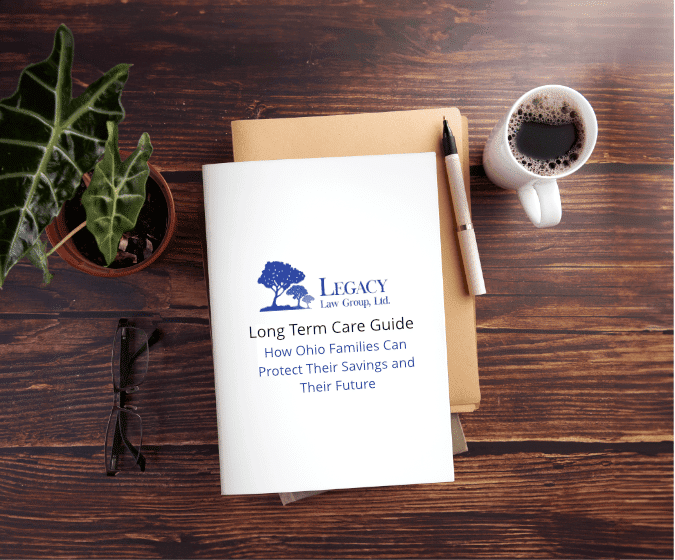
Protect Your Savings, Your Home, and Your Future
Take the first step toward protecting your family’s
future and get our free guide today.

© 2026 Legacy Law Group, Ltd.
| View Our Disclaimer | Privacy Policy

 Share
Share